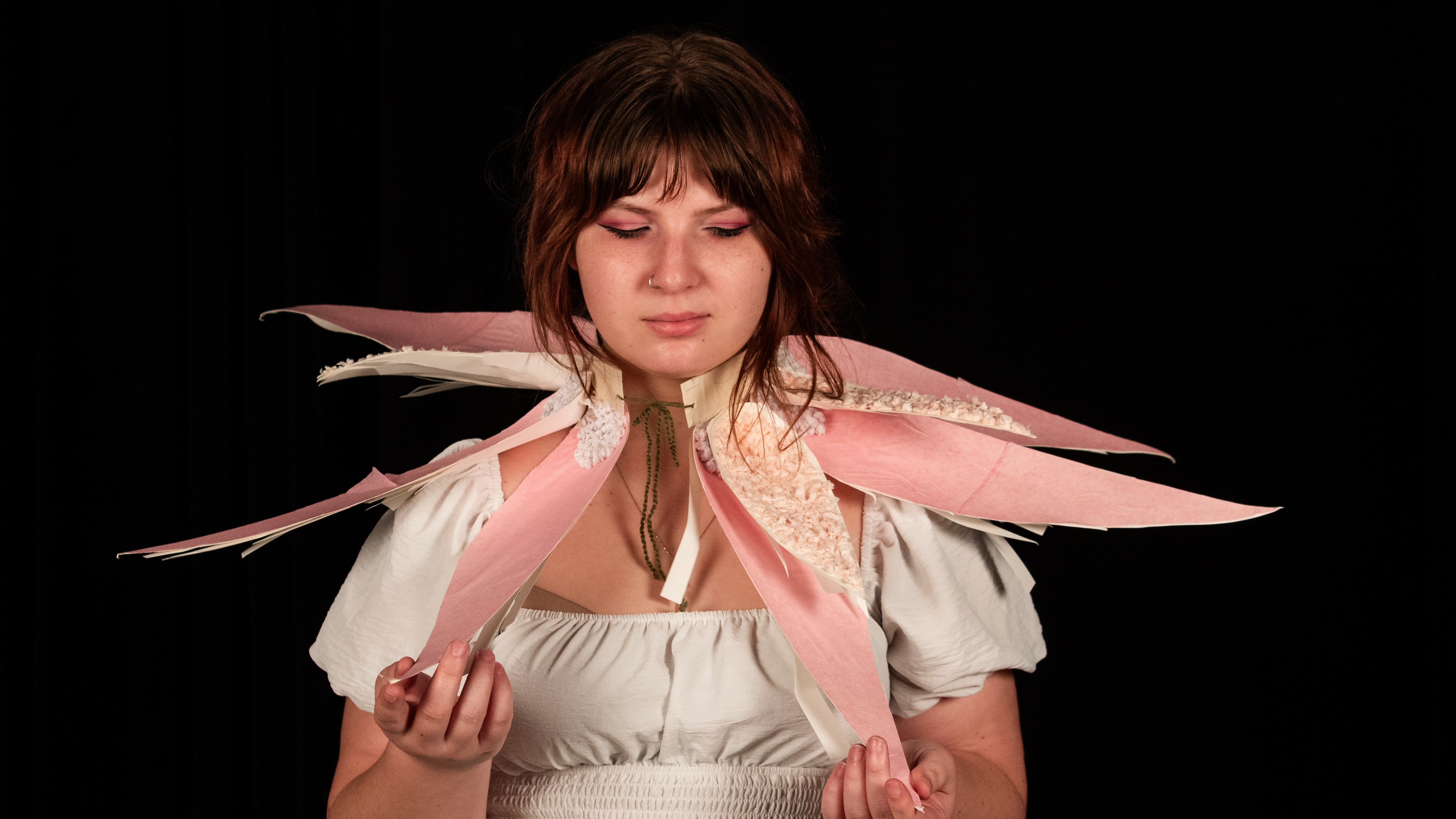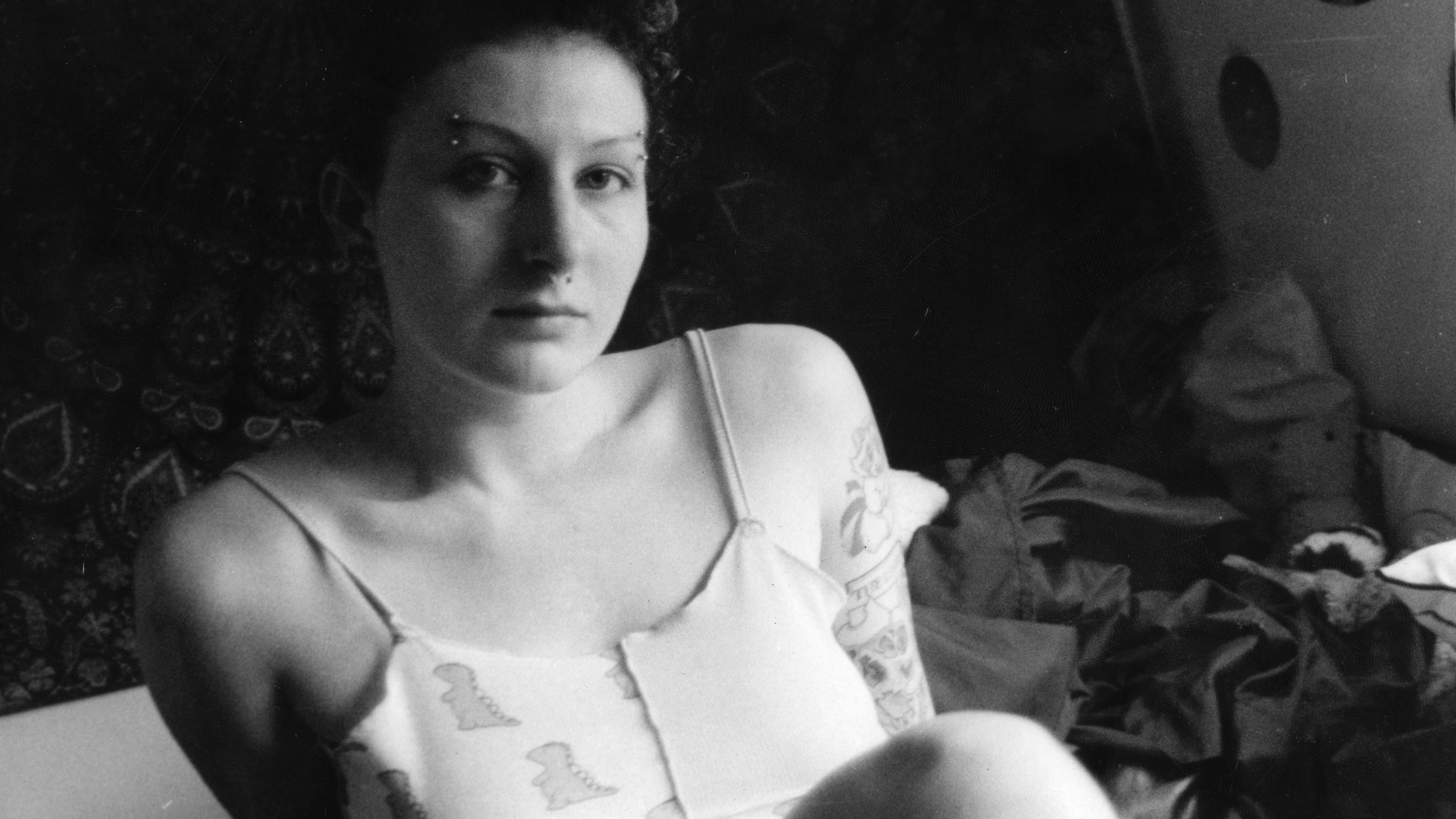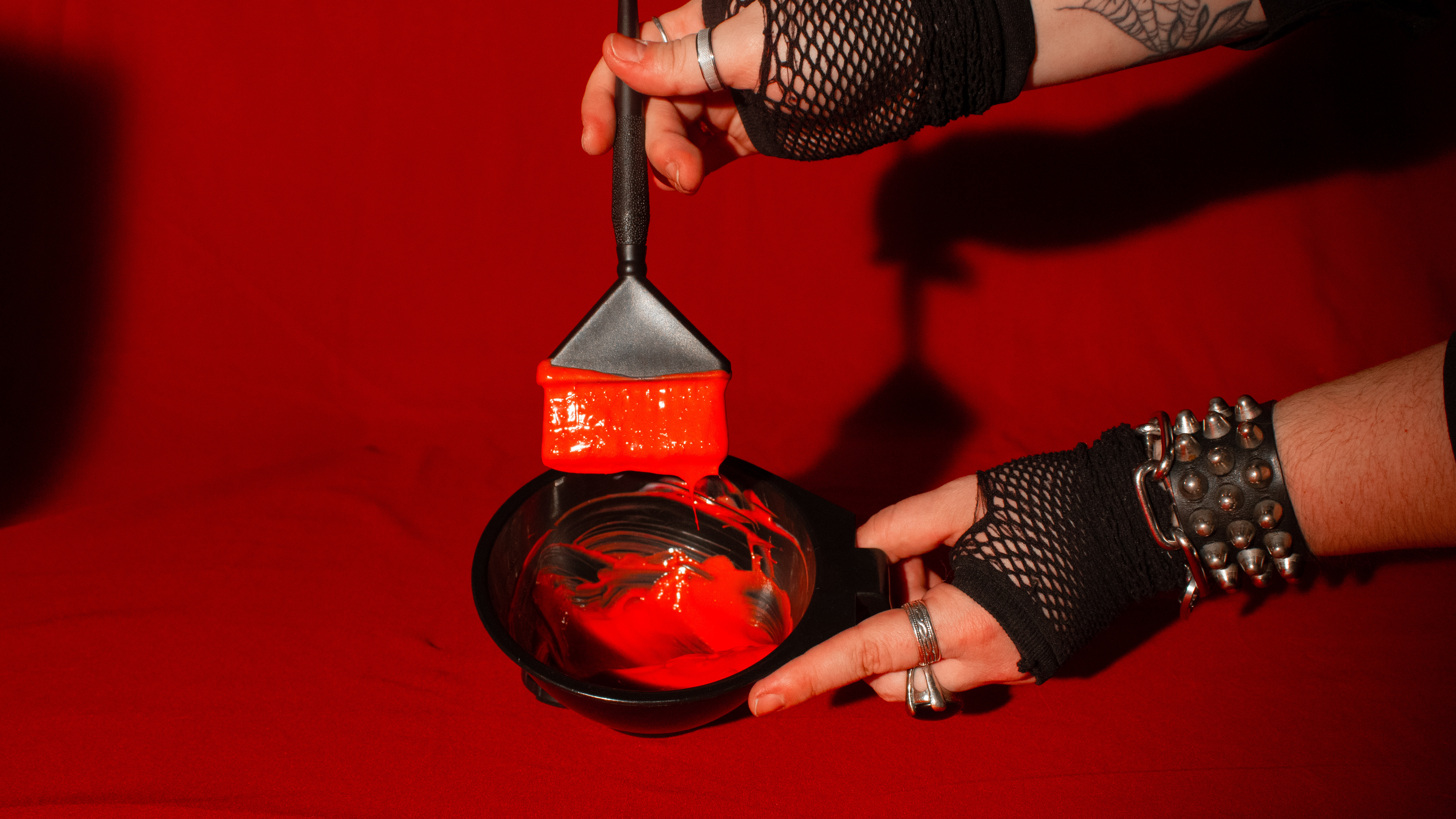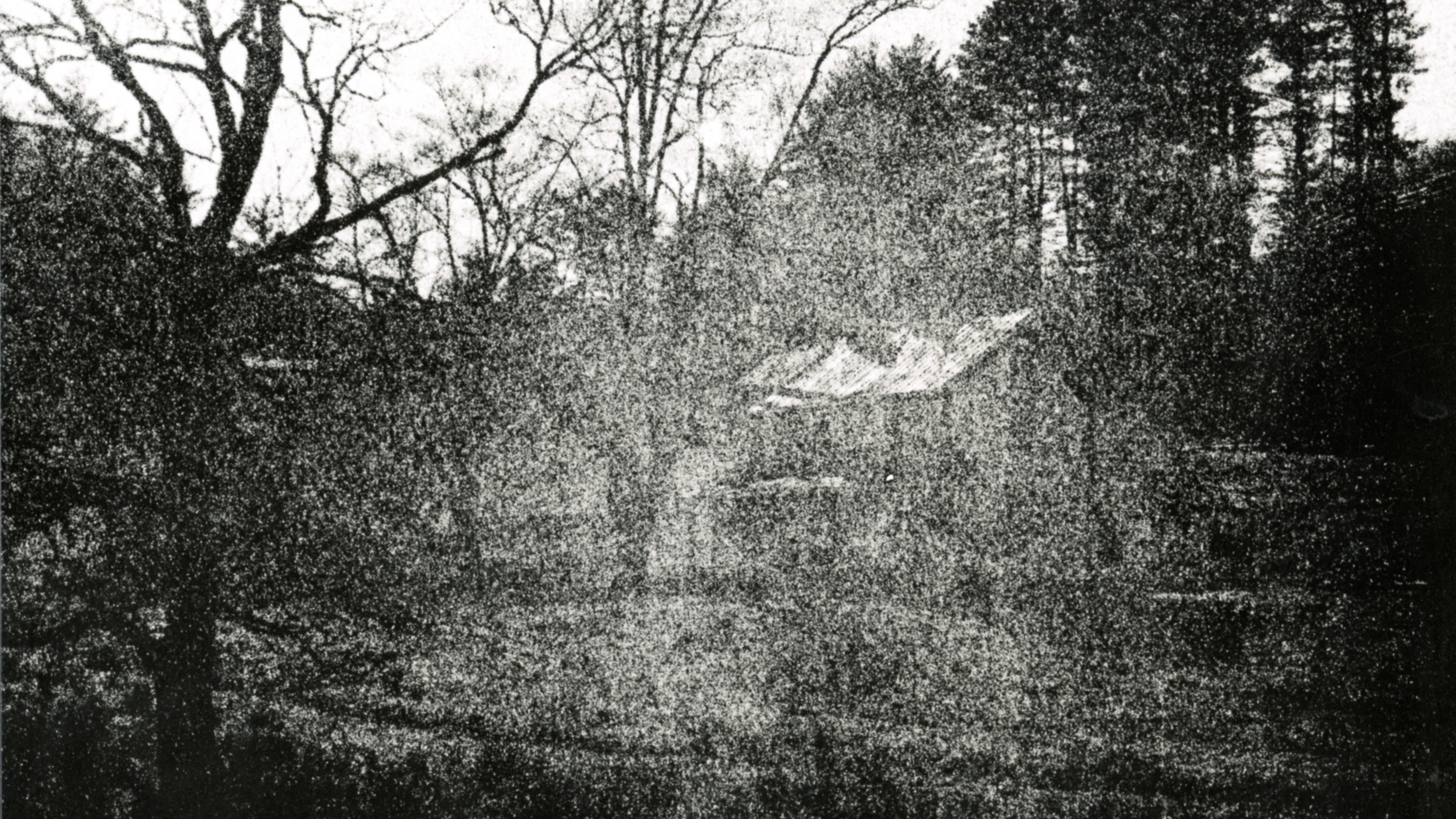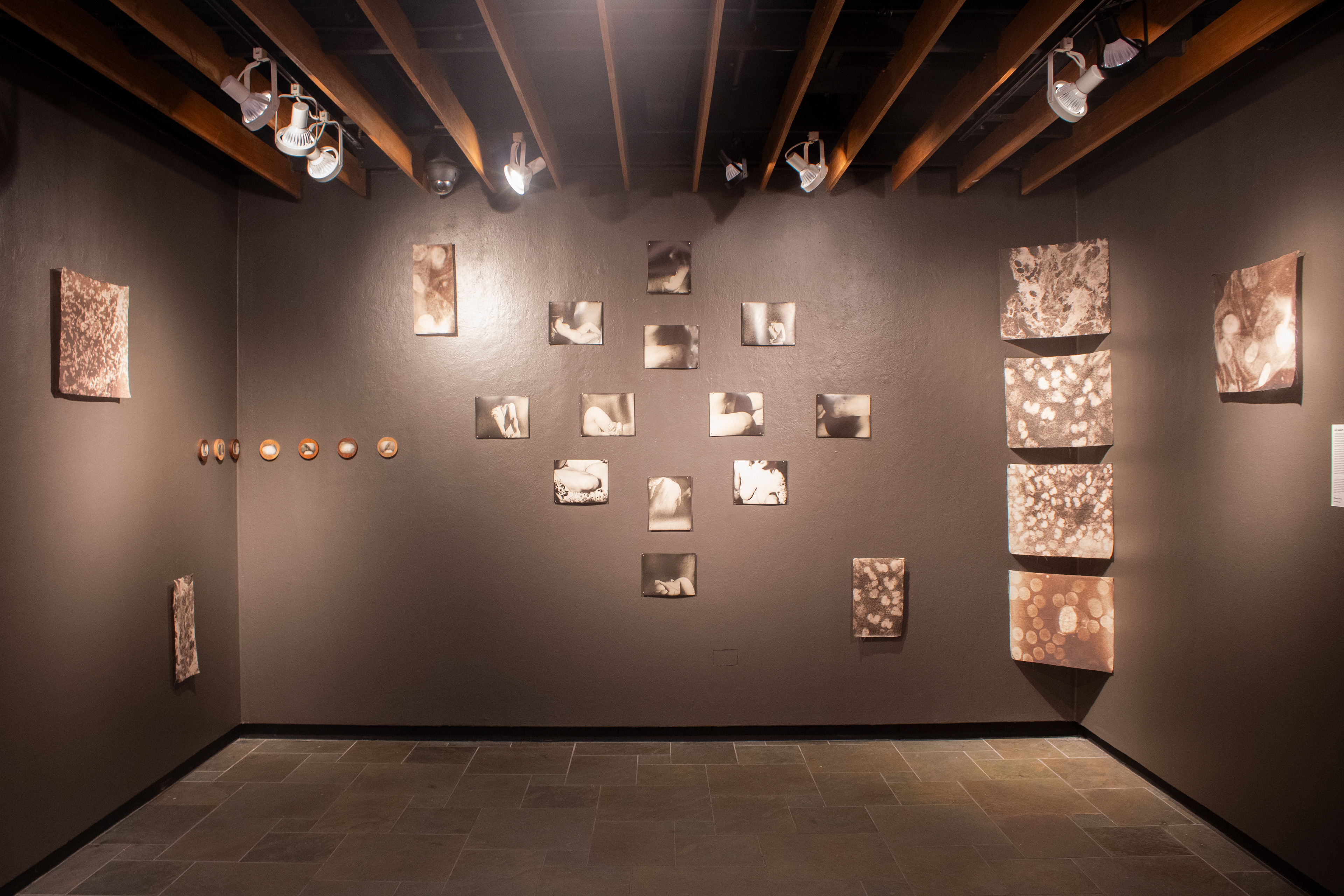
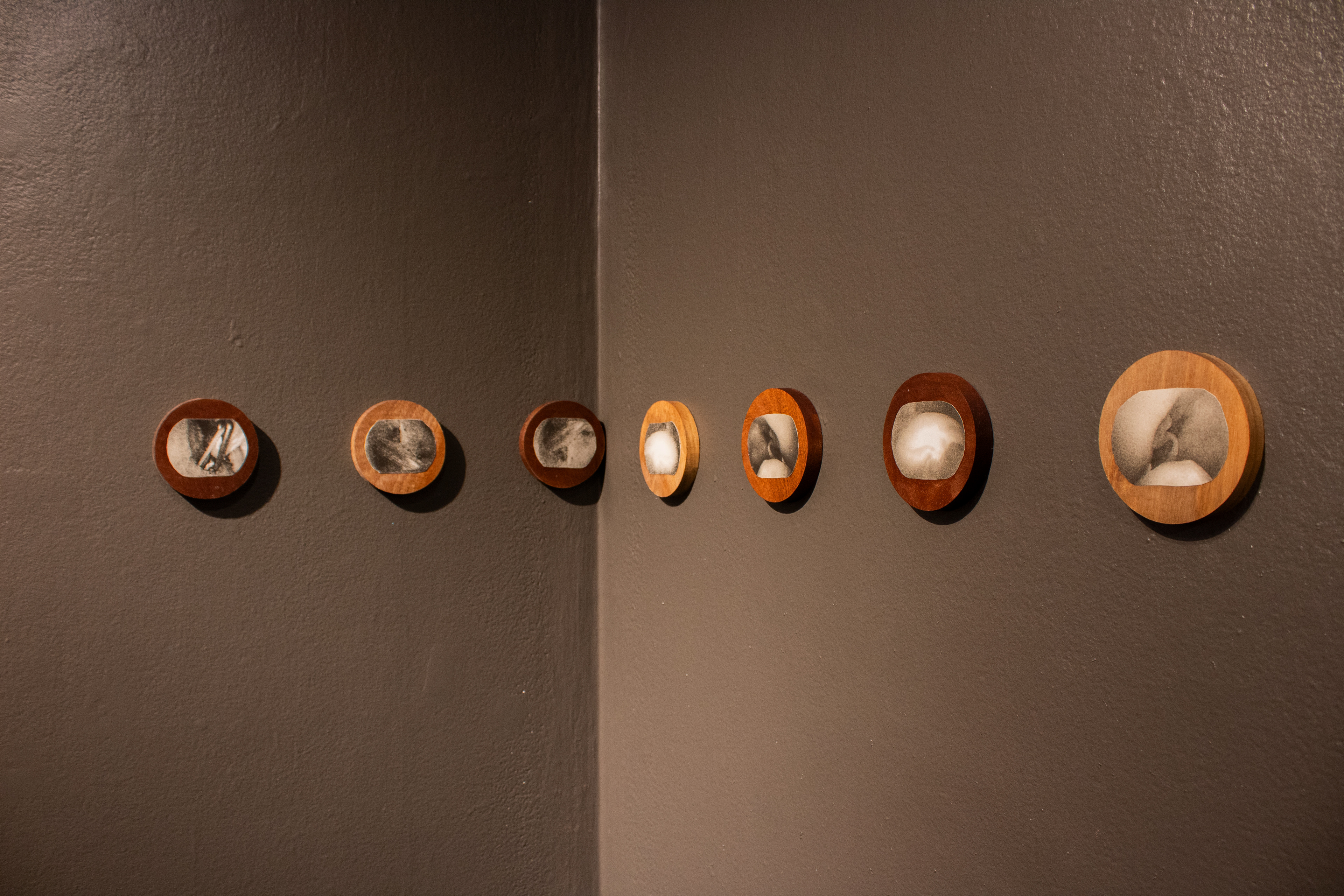
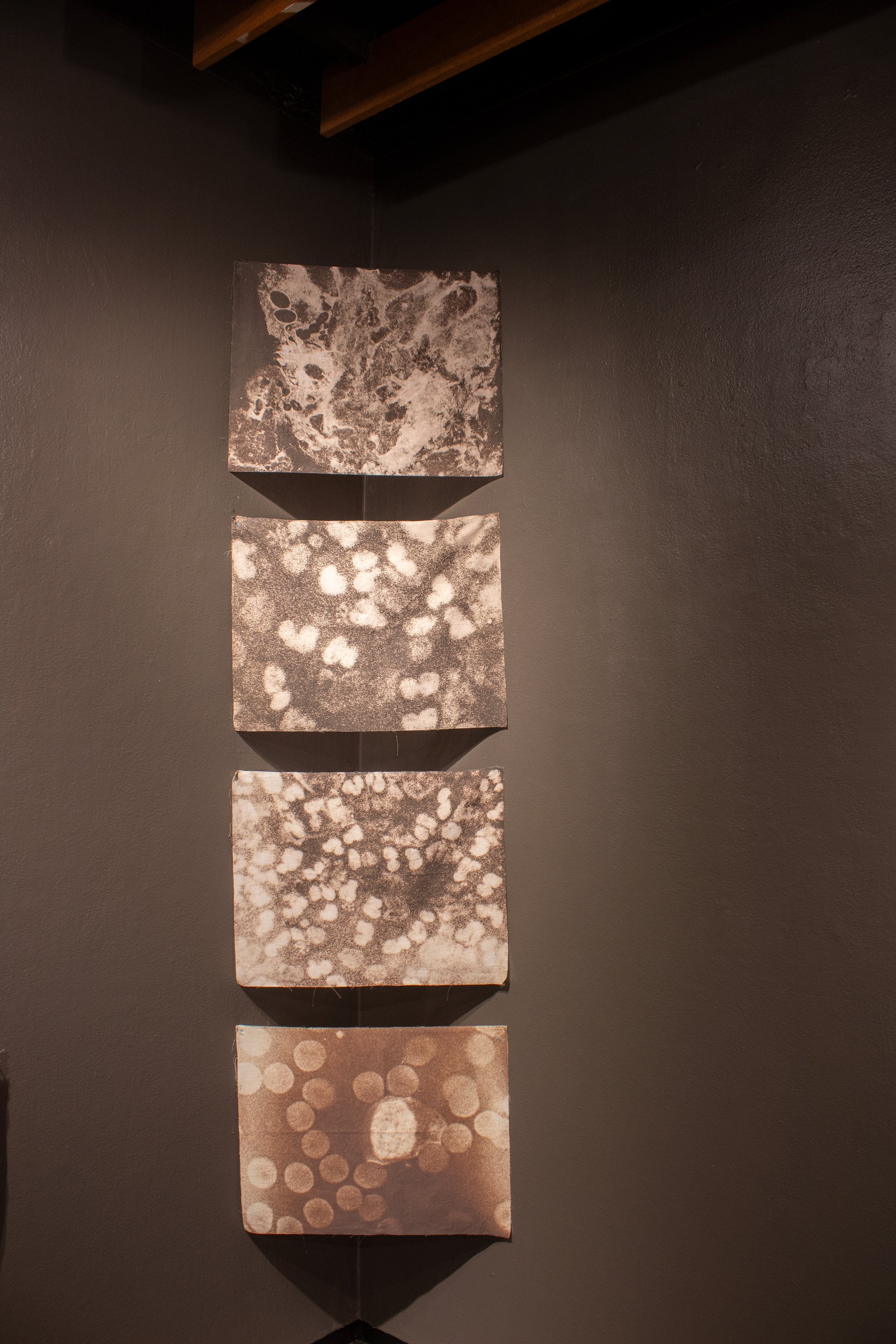
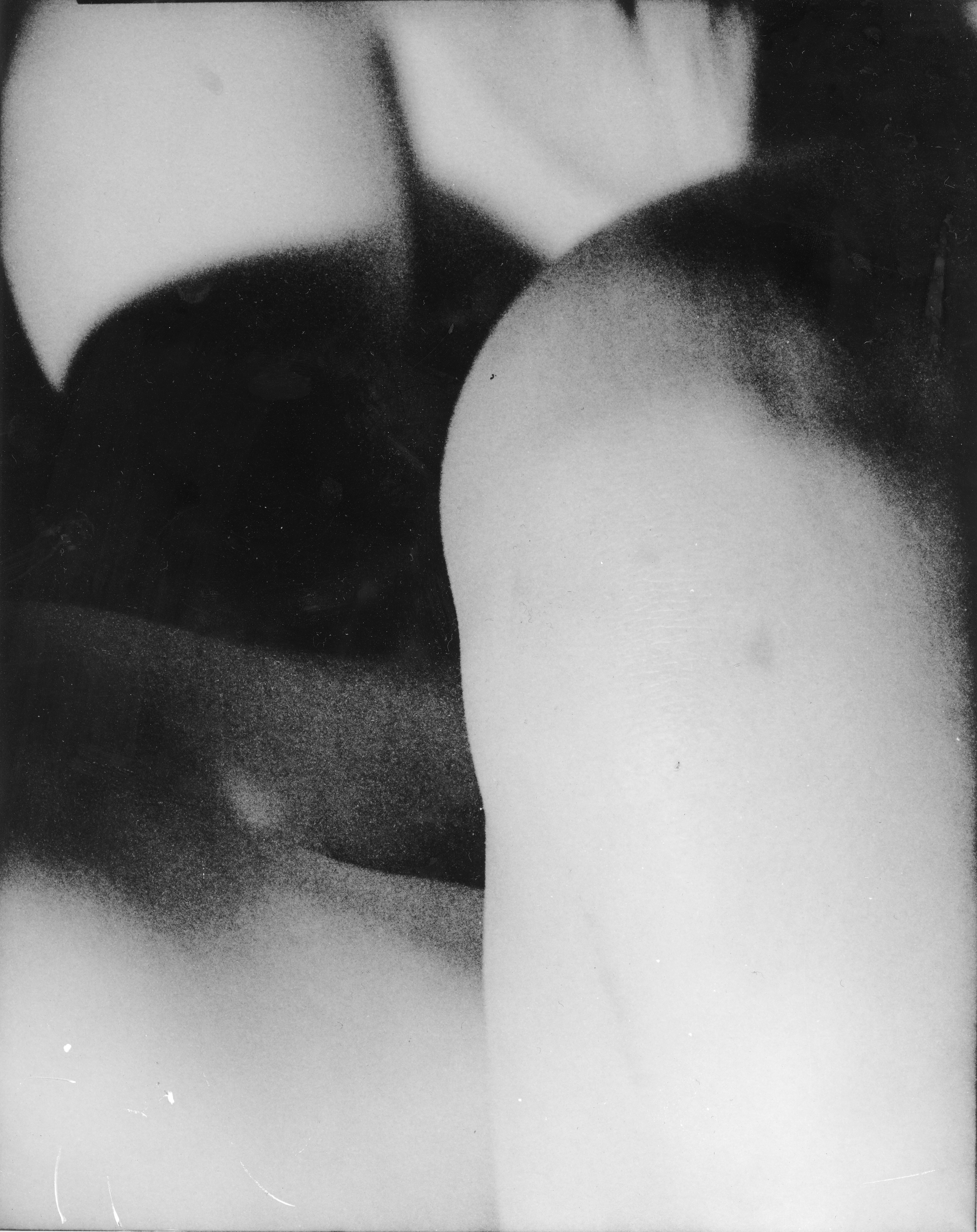
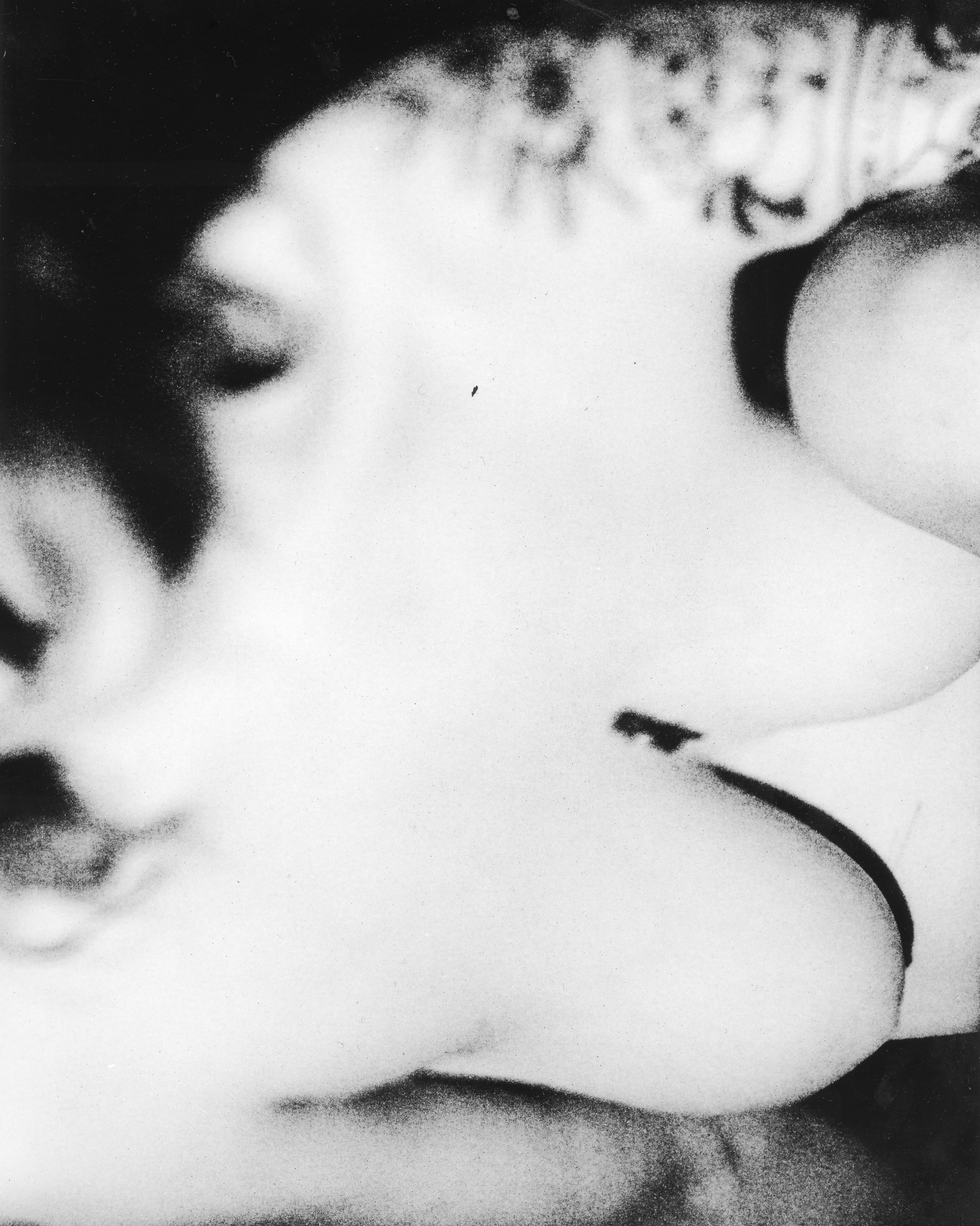
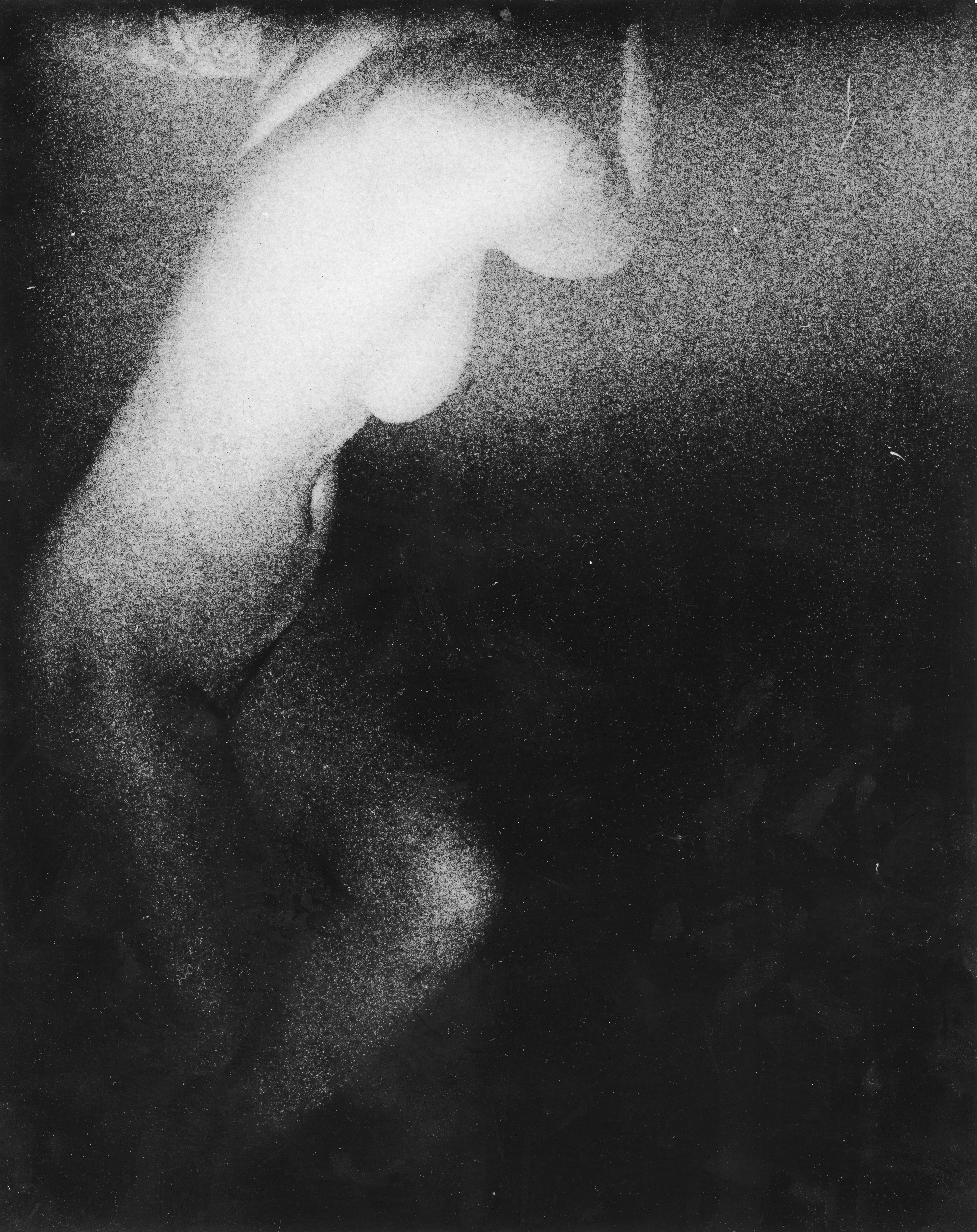
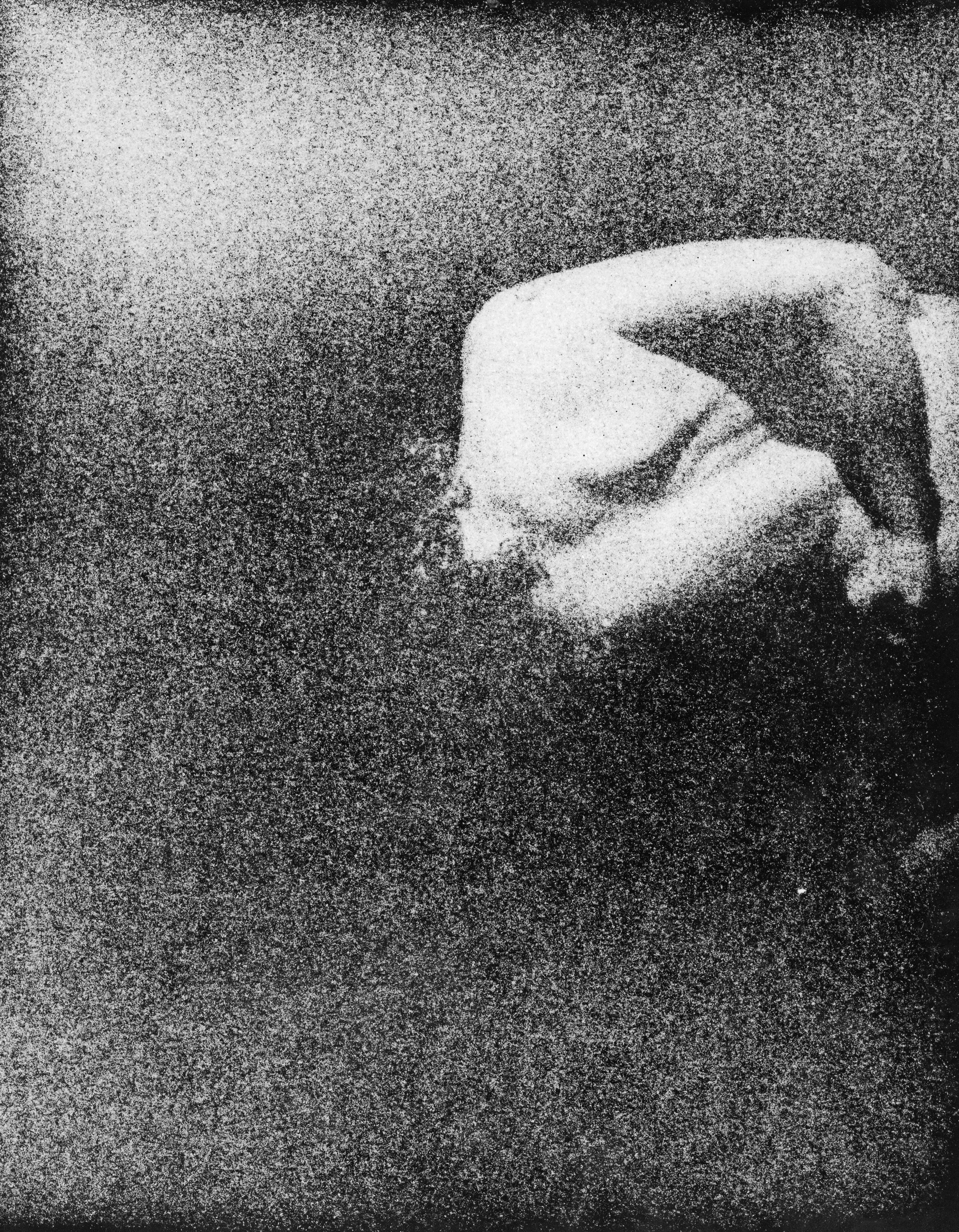
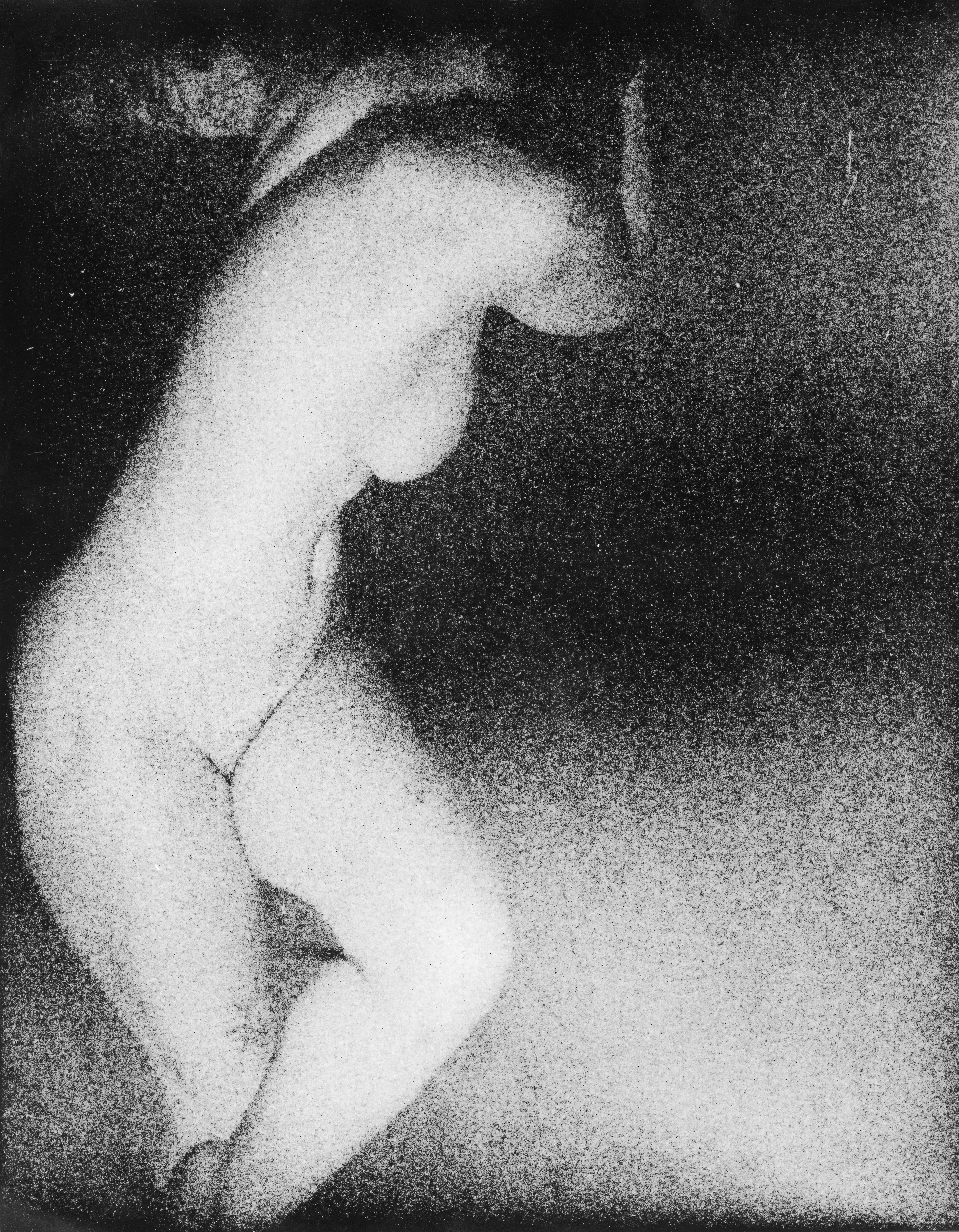
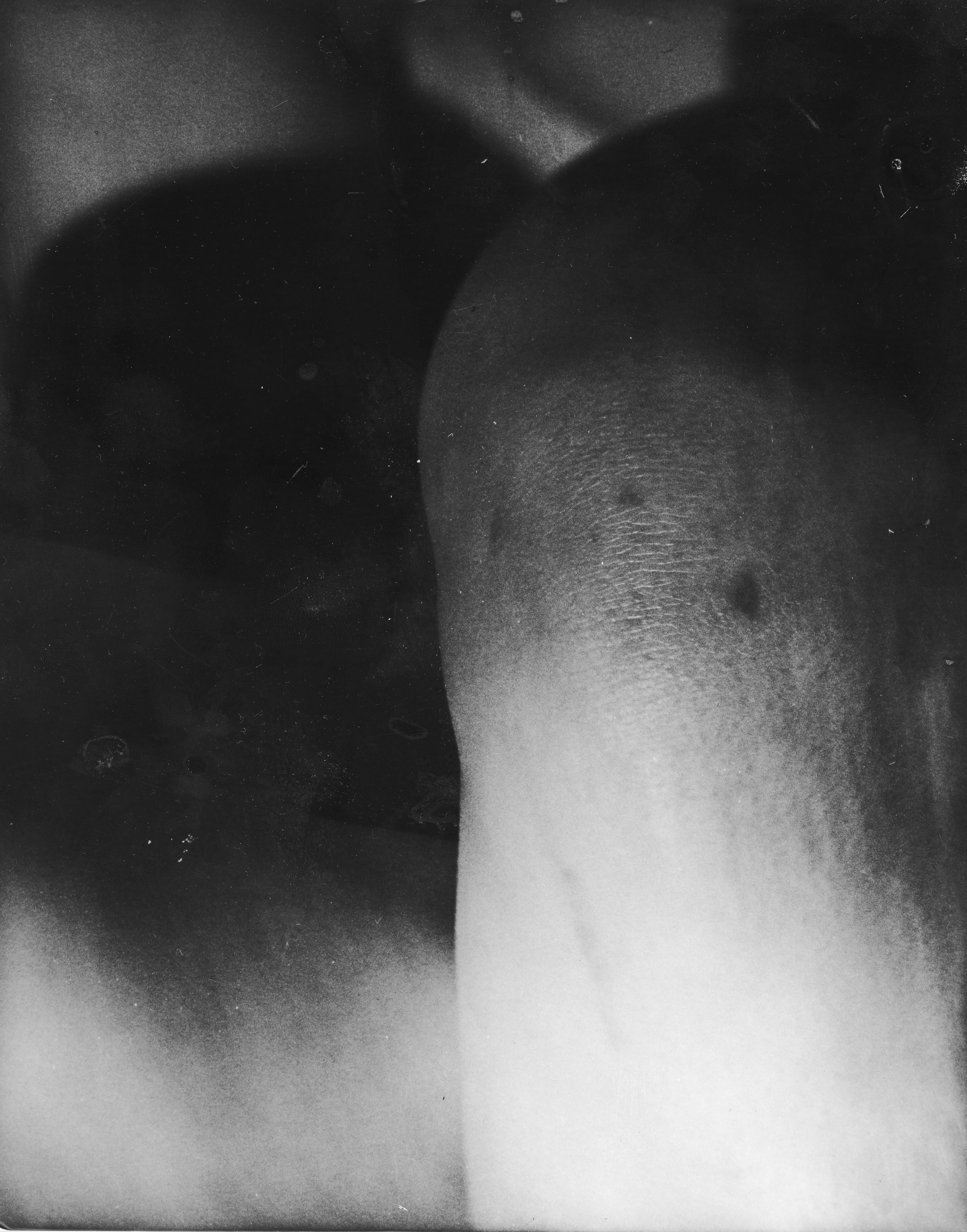
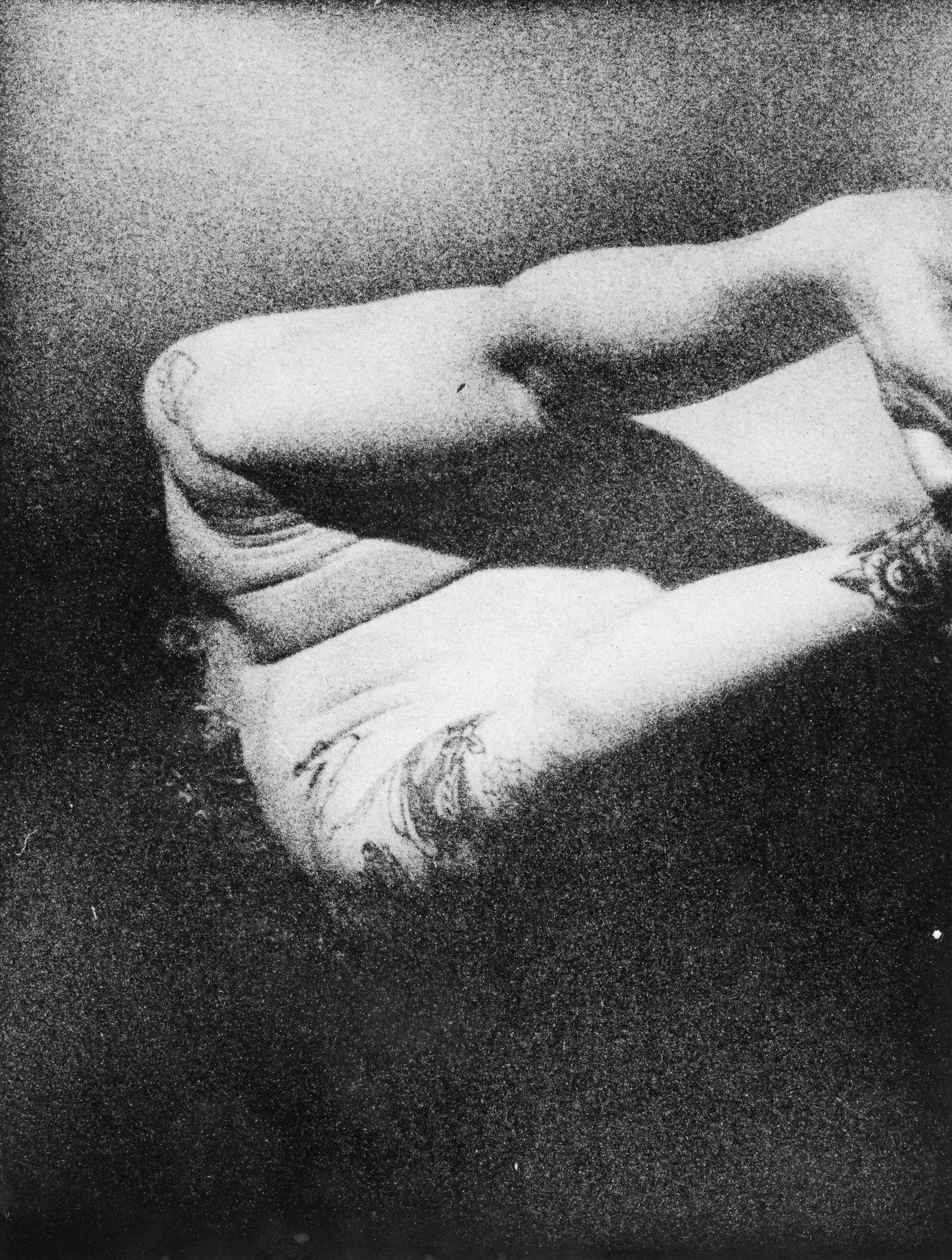
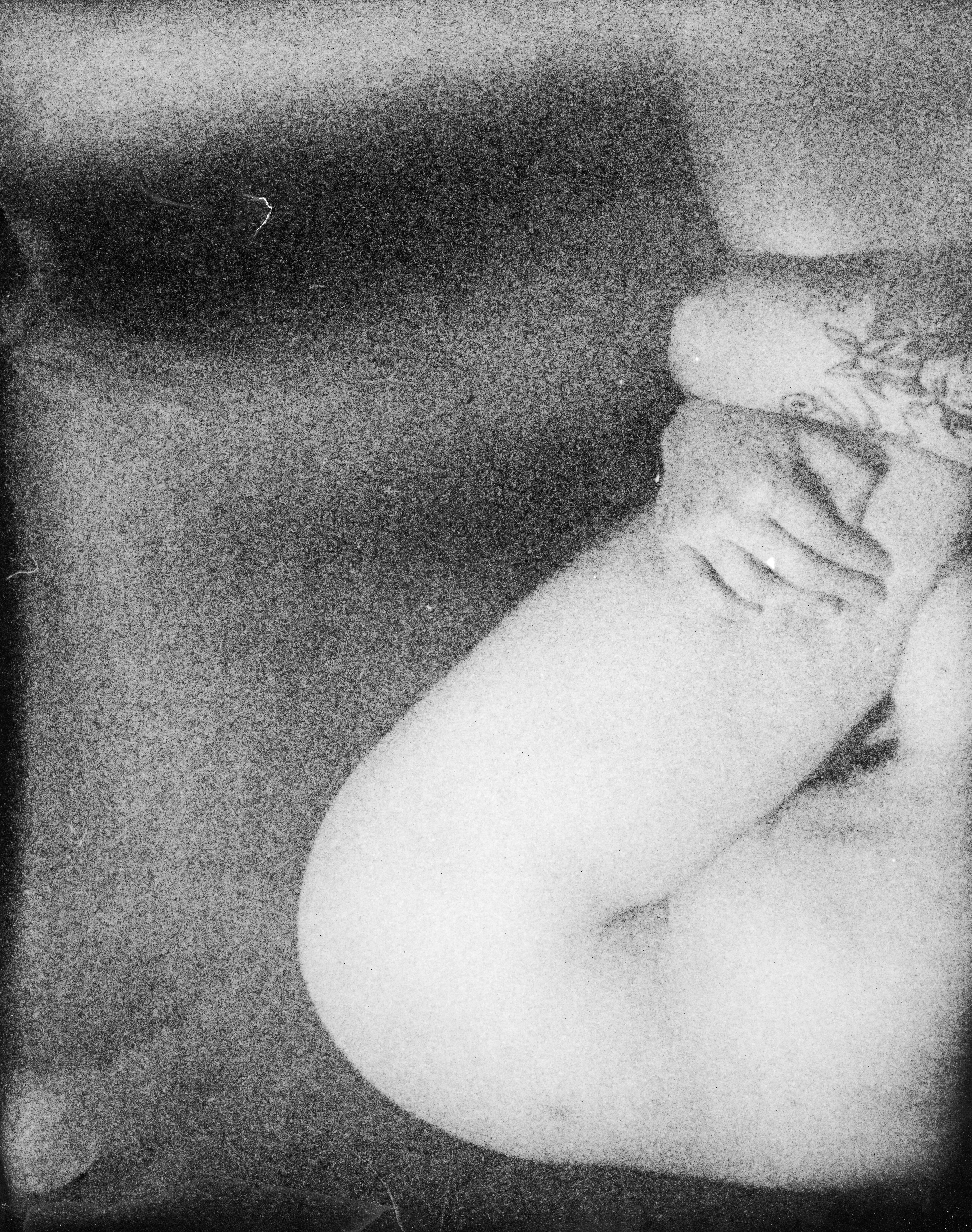
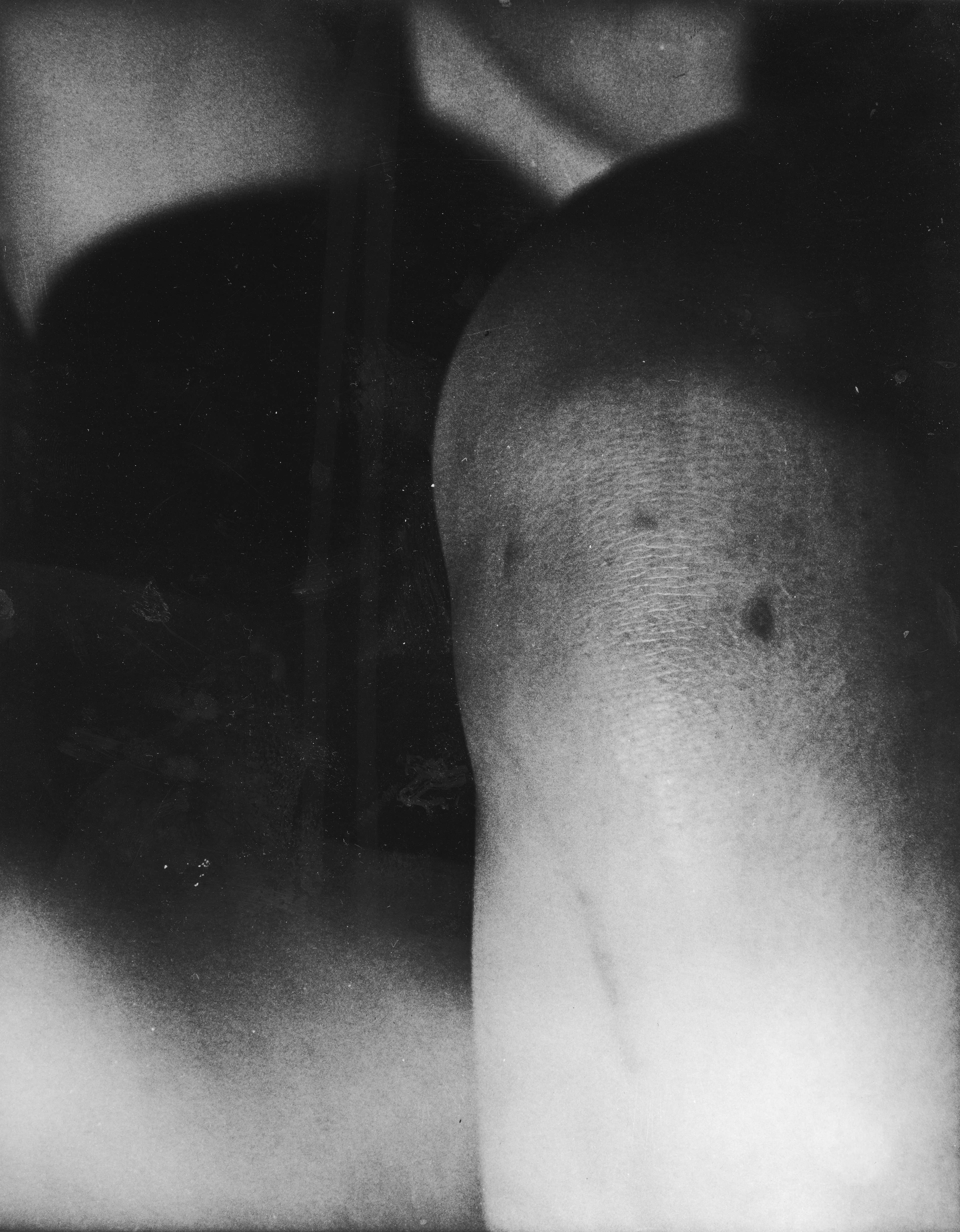
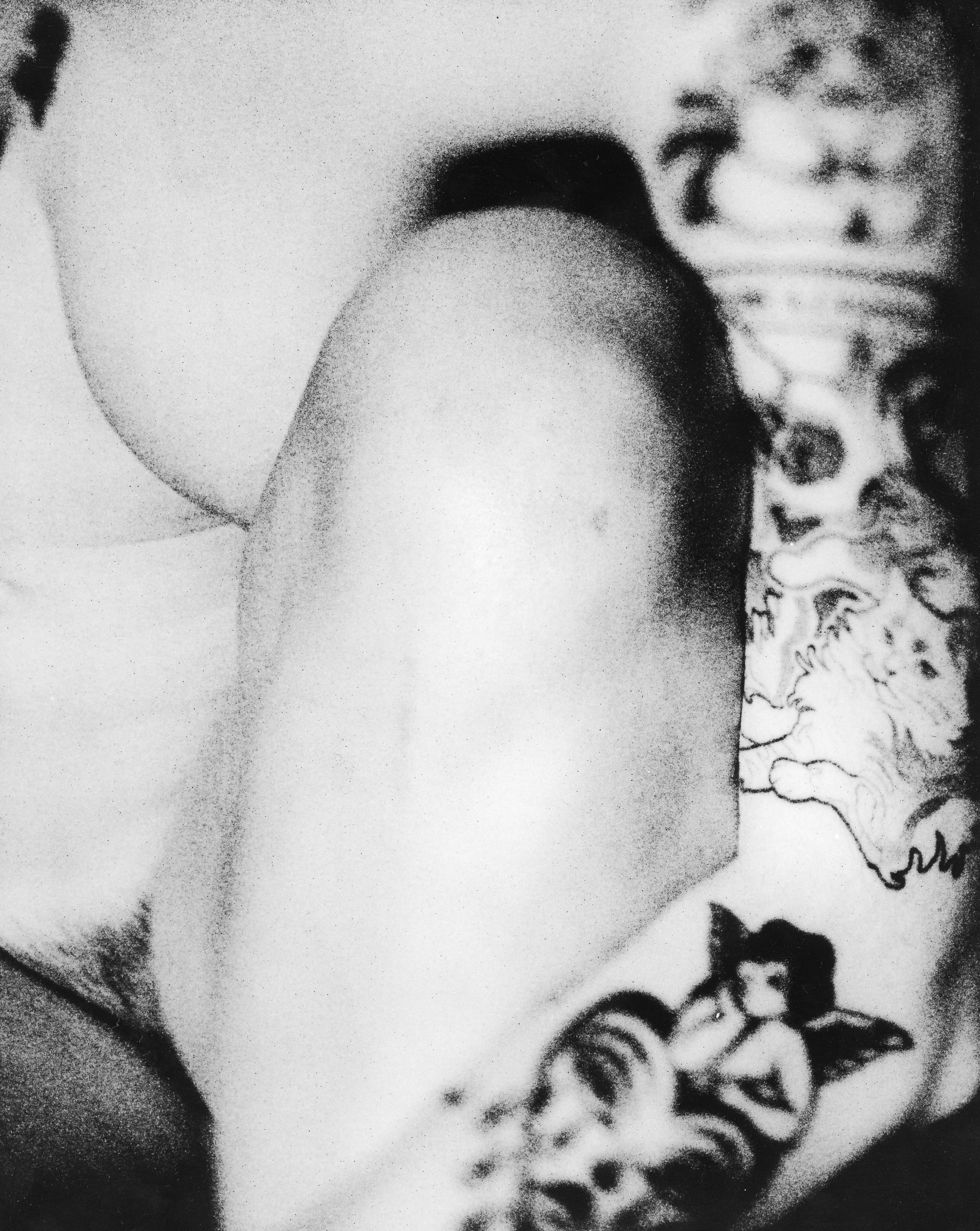
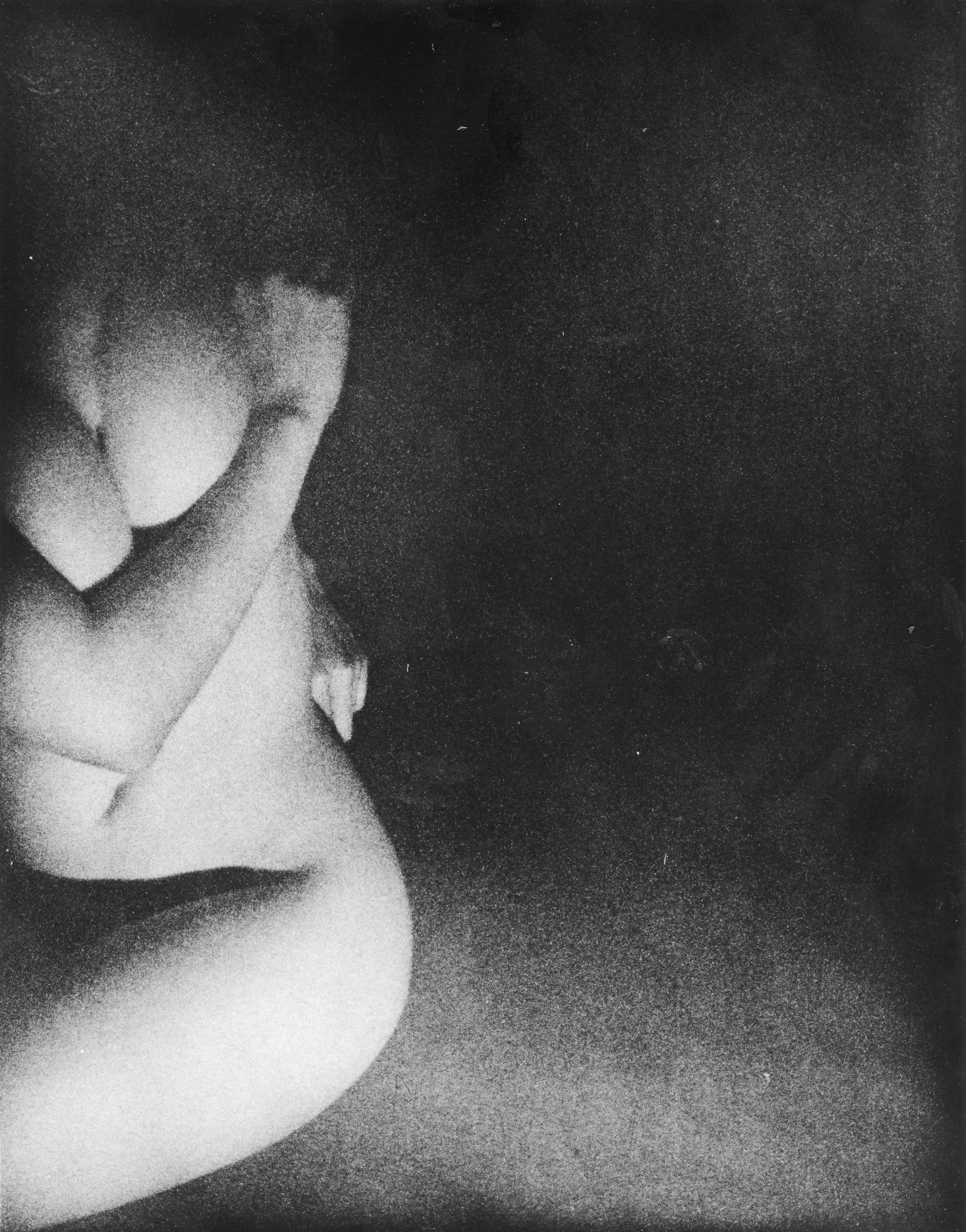
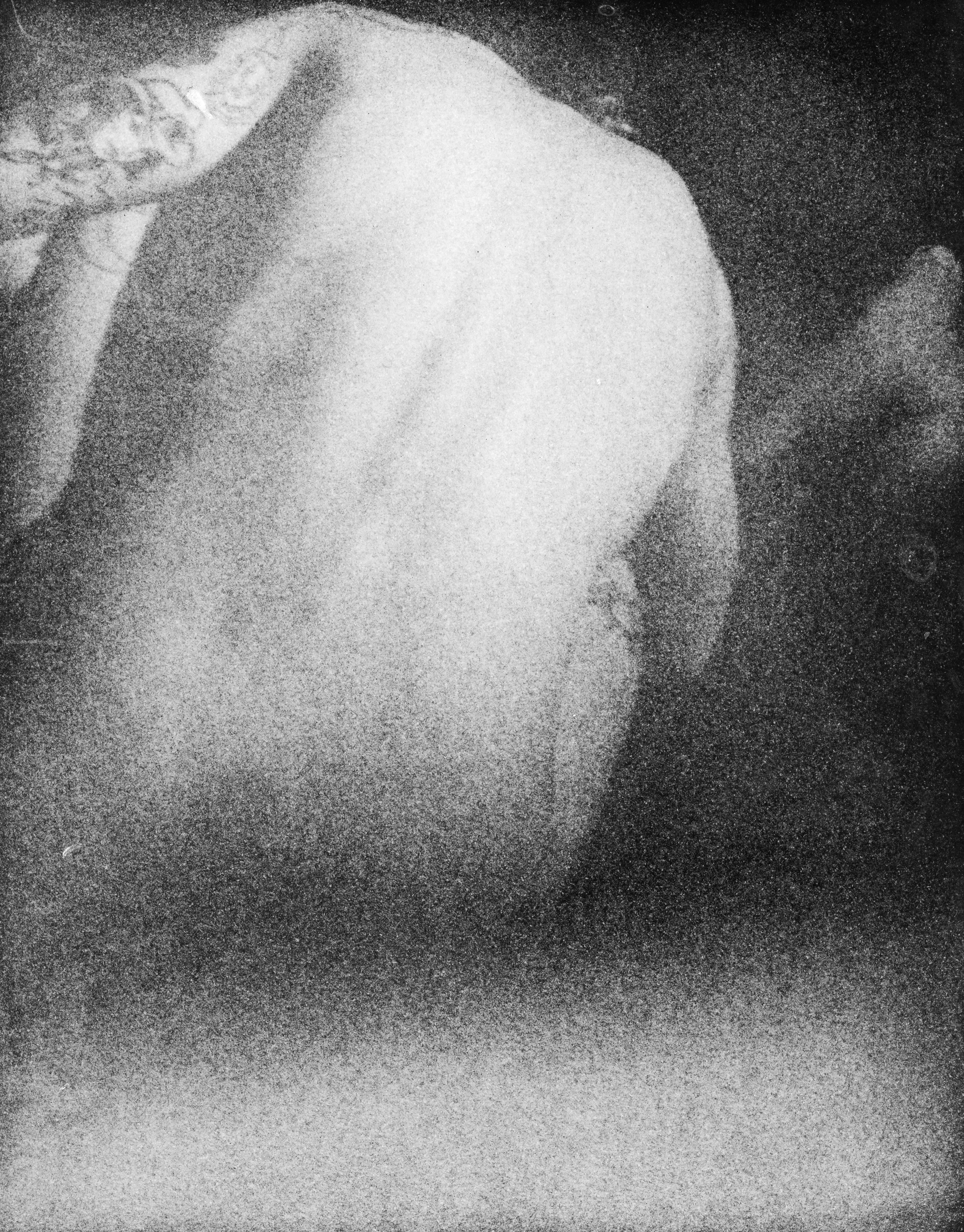
A major inspiration behind my work is how our brains and bodies process traumatic events subconsciously, a subject I reexamine repeatedly based on my experiences being sexually assaulted. I was told that after seven years, all of the cells in my body will regenerate and I will become a new person, who was never touched by my abuser. Although this statement intends to be comforting, my work calls attention to the ways in which it can be damaging, insensitive, and scientifically inaccurate. My work asks: Must I be a new person in seven years? Am I damaged, or contaminated until that point? Do my brain and body forget once these seven years are over, must I be “over it?” It began to feel like a prison sentence. Within this series of work, I am attempting to reclaim the version of my body that exists within this sentence by using images of my figure. I am using the darkroom process of lith development, which is a “bad” developer that develops intentionally overexposed prints very slowly, characterized by high grain and contrast. This process aids conceptually in the fact that no two prints will ever be perfect, or the same. This draws a comparison to the ways in which my body is imperfect and changes over time. I introduce abstracted surgical images, to take a deeper look into the inner workings of my body. Visually, the images are fleshy and reminiscent of the body but are unrecognizable to the viewer- they take the body out of context and present it in a way that is abstracted, clinical, and grotesque. Lastly, I show prints that have come from slides of medical samples, to zoom in even further on the body. The slides contain images of parasites. I am attempting to elicit the feeling of having something wrong with you on a cellular level, to be damaged in a way no one else can see. This may be a lifetime sentence, but I can learn to exist within this space.